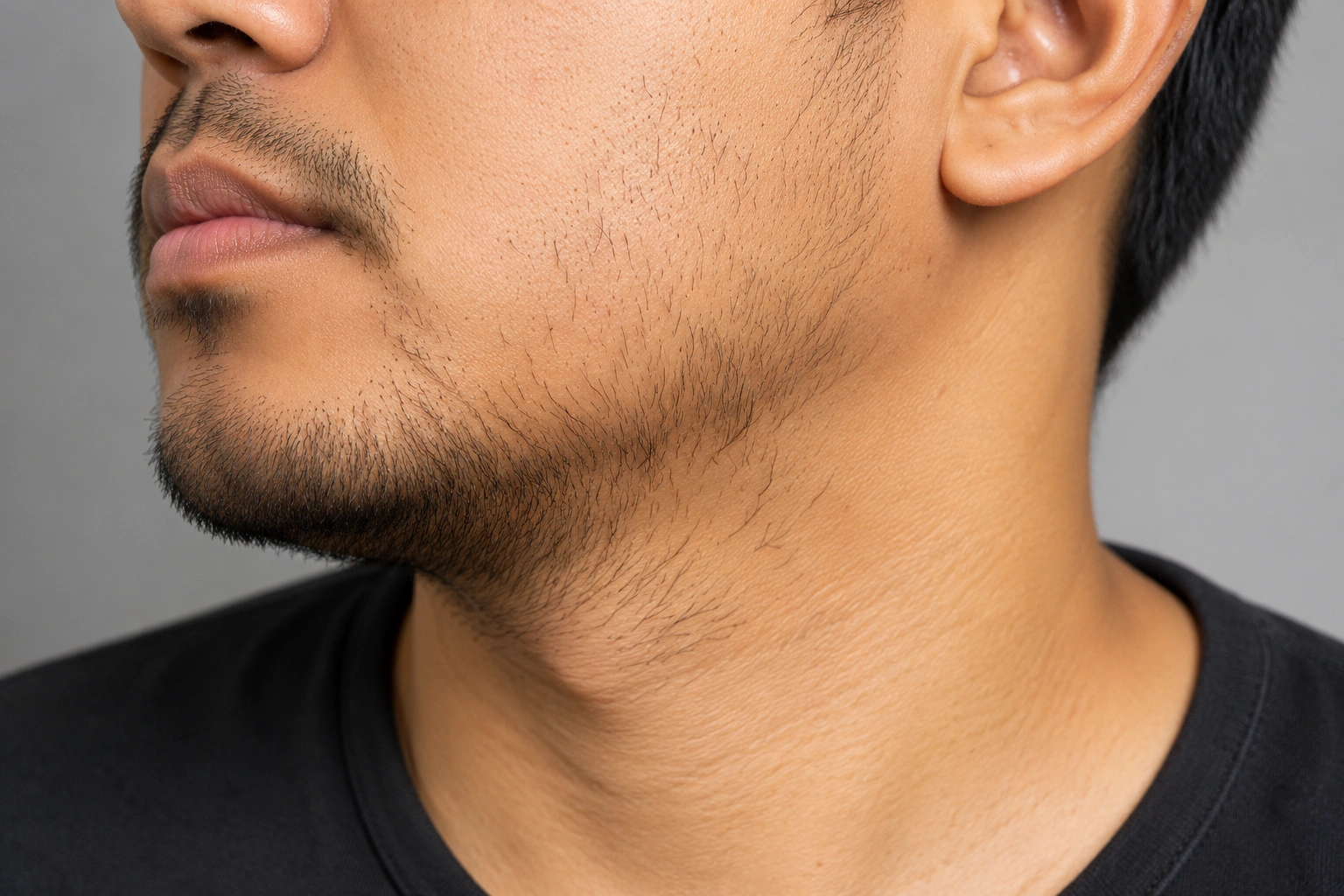
Low Beard Growth? Causes, Genetics & Myths
Somehow, beards seem tied to confidence for a lot of people. School ends, college starts, and suddenly someone in the friend group has a full beard almost overnight - while the mirror still shows thin patches, slow progress, or cheeks that simply refuse to fill in. Questions usually show up soon after.
“Why is my beard not growing?”
“Is this just genetics?””
“Do I have low testosterone?”
“Will shaving help?”
Usually, slow beard growth has less to do with effort and more to do with how the body works. Facial hair grows differently for everybody. Genes play a bigger role than most people expect. Hormones matter too, yes, but age, overall health, even sleep and stress quietly shape how things progress. Some people grow thick coverage early. Others wait years.
And sometimes, it just stays lighter.
Why Beard Growth Starts in the First Place
Facial hair usually begins during puberty, when hormones called androgens start switching on hair follicles across the body.
People talk about testosterone a lot here, though beard growth depends just as much - maybe more - on something called dihydrotestosterone, or DHT. It forms when testosterone changes through an enzyme inside the body. Once active, DHT encourages beard hair to become darker, thicker, and rougher over time.
Still, hormone levels alone do not explain everything.
One person may have perfectly normal testosterone and barely grow facial hair. Another with similar levels develops a thick beard before twenty. That difference often comes down to how sensitive hair follicles are to hormones in the first place.
This is where genetics enters the picture.
Genetics Usually Explains More Than People Think
Most of the time, patchy or slow beard growth comes down to family patterns.
Genes influence things like:
How many facial hair follicles you naturally have
Where beard hair grows
Thickness and texture
How quickly it develops
How strongly follicles respond to hormones
Even brothers sometimes look completely different here.
One may grow a full beard at eighteen. Another still sees mostly mustache and jawline hair halfway through his twenties. Same house, same meals, same parents - yet different outcomes.
That part surprises people.
Watching older male relatives sometimes gives clues. If beard growth happened late in your family, there is a fair chance yours may follow a similar pace too. But genetics does not copy itself perfectly. Sometimes someone grows more facial hair than anyone expected.
Bodies rarely follow neat rules.
Does Low Beard Growth Mean Low Testosterone?
Not always. Actually, much less often than people think.
Patchy facial hair gets blamed on testosterone quickly, though many men with uneven beards have completely normal hormone levels. Beard growth depends heavily on how follicles react to hormonal signals, not just the amount of hormones floating around.
A simple way to think about it:
Hormones send the message. Follicles decide how loudly to respond.
That said, hormones can occasionally play a role.
Slow beard growth becomes more worth checking if other signs appear too - constant tiredness, poor muscle growth, delayed puberty, low sex drive, very sparse body hair, or motivation dropping without clear reason.
Patterns matter more than one symptom by itself.
Sometimes Age Is the Missing Piece
This part catches a lot of people off guard.
Beards do not always finish developing by eighteen or nineteen. Some people see obvious changes through their early twenties. Others notice new density closer to twenty-five or later.
Growth also happens unevenly.
Maybe the mustache fills in first while cheeks stay patchy. Sometimes chin hair thickens early but the sides lag behind. A beard can look incomplete for years and then suddenly start filling in.
Frustrating? Usually.
Unusual? Not really.
The body tends to move at its own pace, regardless of comparisons.
Medical Reasons That Can Affect Beard Growth
Genetics explains most cases. Still, now and then, medical reasons play a part.
Hormonal Problems
Lower testosterone or disrupted hormone signals can slow facial hair growth. Delayed puberty sometimes points in this direction too.
Thyroid Issues
The thyroid quietly influences metabolism and hair cycles. When it becomes overactive or underactive, hair growth may turn slower, thinner, or more uneven.
Alopecia Areata
Sometimes the issue is not slow growth at all - it is hair loss.
This immune condition can create smooth circular bald spots in the beard unexpectedly.
Nutrition Problems
Hair follicles need nutrients to function properly. Low iron, zinc deficiency, low vitamin D, poor protein intake, or lack of B vitamins can quietly affect growth over time.
Genes set the foundation, but nutrition still matters.
Skin Conditions
Persistent inflammation, fungal infections, or acne scarring sometimes interfere with hair growth in certain areas.
Occasionally, the reason sits closer to the skin than deeper hormones.
Can Lifestyle Make a Difference?
To some extent, yes.
Poor sleep, constant stress, smoking, dramatic dieting, or poor eating habits may affect hair quality and growth over time. Stress especially tends to disrupt hormone balance in quiet ways.
Still, expectations matter.
Good habits support what genetics already planned. They rarely replace it.
Common Beard Myths That Refuse to Go Away
Shaving Makes Hair Grow Thicker - False
Fresh stubble feels rougher after shaving because the edges are blunt. Under the skin, nothing changes.
Beard Oils Create New Hair - Mostly False
Oils help softness and appearance. They do not create new follicles where none existed.
Patchy Beard Means Low Testosterone - Not Necessarily
Many people with completely healthy hormone levels still grow uneven facial hair.
Everyone Can Grow a Full Beard - Unfortunately, No
Sometimes genes simply set limits.
And that is normal.
When Should You Actually Get It Checked?
Most slow beard growth just needs time.
Still, a doctor visit makes sense if delayed beard growth comes with fatigue, delayed puberty, reduced muscle growth, low libido, sparse body hair overall, or sudden changes that feel unusual.
Sometimes what looks genetic turns out treatable.
Sometimes reassurance is the real answer.
Conclusion
Most beard growth comes down to genetics more than anything else. Hormones matter, yes, though often differently than people assume. Age plays its part too - sometimes quietly, sometimes frustratingly slow. Nutrition, sleep, and overall health may influence how things progress, but they rarely rewrite what biology already planned. Patchy growth, delayed thickening, or slower progress usually falls well within normal. Bodies develop unevenly. Facial hair does too.