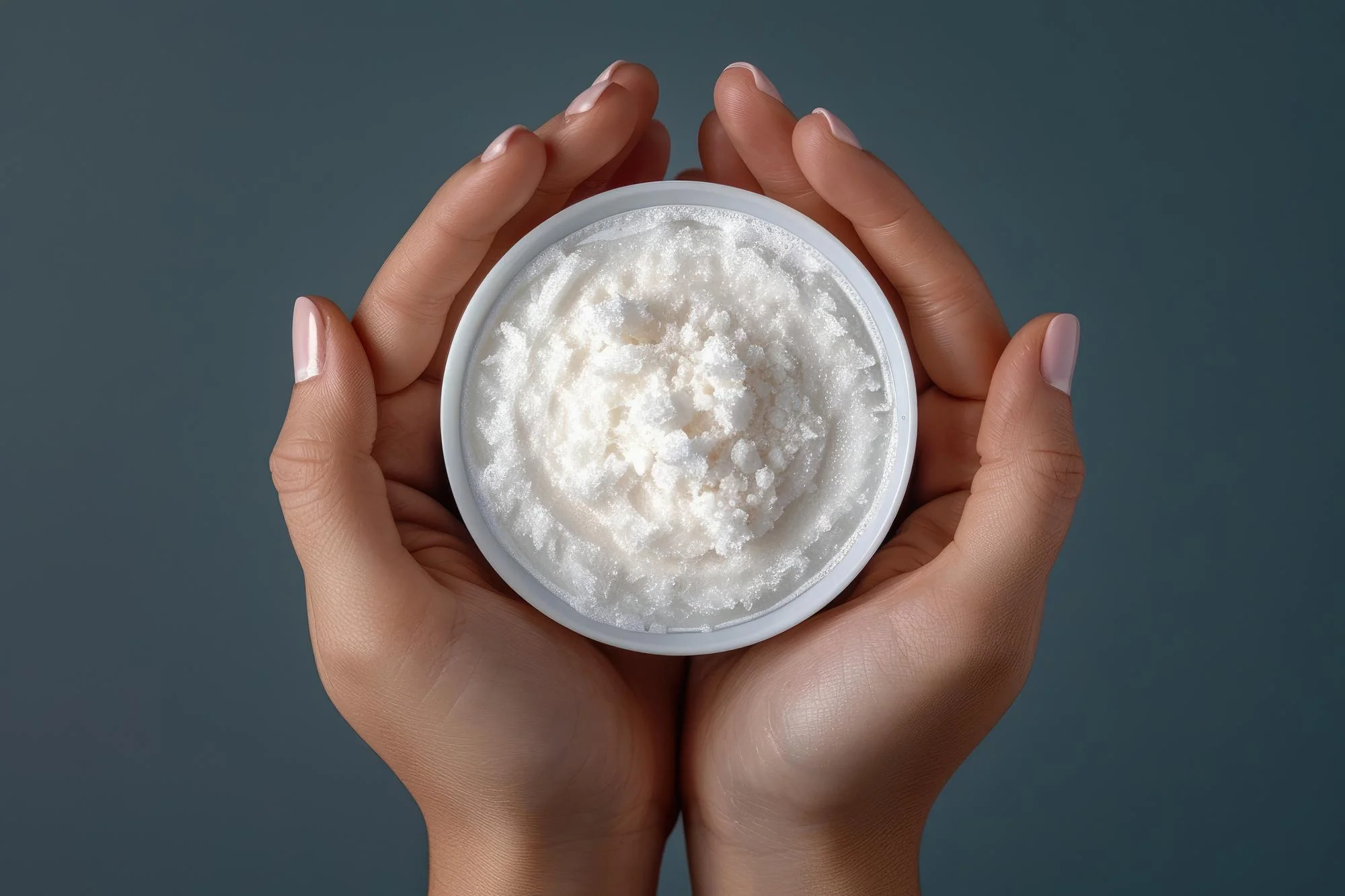
Urea in Skincare: Everything You Need to Know
Ever check the back of your moisturizer and spot "urea" in the ingredient list? It sounds strange, but this simple compound is actually one of the most trusted ingredients in skincare. Dermatologists have used it for years to treat dry, rough, and damaged skin. Here is a simple breakdown of what urea does, how it works, and who should be using it.
What Is Urea
Urea is already found in your skin. It is part of what is called the Natural Moisturizing Factor, a group of substances that help skin hold on to water and stay soft. When your skin barrier gets damaged from weather, age, or conditions like eczema, urea levels drop and skin turns dry and flaky.
The urea used in skincare is not taken from waste, as many people assume. It is made in a lab through a safe and well-known process. Since it is like what your skin already makes, most skin types tolerate it well.
How Urea Helps Your Skin
Urea works in two simple ways depending on how much it is in a product.
- In small amounts, it acts like a moisture magnet. It pulls water into the skin and helps keep it there.
- In larger amounts, it helps loosen and remove dead skin cells. This makes rough patches, calluses, and thick heels softer.
- It also helps other skincare ingredients absorb better, which is why doctors often add it to treatment of creams.
Why Concentration Matters
The percentage of urea on the label tells you what the product is meant for.
- Below 10 percent: Good for everyday moisture. Found in regular face and body creams.
- 10 to 20 percent: add mild exfoliation along with hydration. Useful for very dry or rough skin.
- Above 20 percent, up to 40 or 50 percent: strong exfoliating strength. Mostly used for calluses, thick nails, or specific skin conditions, and usually needs a doctor's guidance.
Skin Conditions Urea Can Help With
Urea is not just for dry winter skin. It is commonly used for:
- Eczema and atopic dermatitis
- Psoriasis
- Ichthyosis and very scaly skin
- Sun damaged or ageing skin
- Rough patches on elbows, knees, and feet
This is why urea shows up in both regular moisturizers and stronger prescription creams.
When to Be Careful
Urea is safe for most people, but there are a few things to keep in mind.
- Mild stinging, burning, or redness can happen, especially with higher strength products.
- Do not use it on broken skin, open wounds, or infected areas.
- Keep it away from the eyes, lips, and mucous membranes.
- If you are pregnant or breastfeeding, check with a doctor before using it.
- Always patch test a new product before applying it all over.
How to Use It the Right Way
Start with a low-strength product and use it a few times a week to see how your skin reacts. Applying it on slightly damp skin, right after a shower, helps it absorb better. It works well with ingredients like ceramides and hyaluronic acid but goes easy if you are already using strong actives like retinoids, since combining exfoliants can irritate the skin.
If you have a diagnosed skin condition or want to try a stronger formula, it is best to get proper guidance instead of guessing.
Advanced Skin Care and Barrier Repair at Aesthetiq Clinic
Are you struggling with severe dryness, persistent flaking, or a damaged skin barrier? Getting a precise clinical diagnosis at Aesthetiq Clinic, Chennai is vital to restoring your skin health safely and effectively, far beyond what experimental home treatments or internet trends can offer. Led by Dr. Karthikraja, a dedicated dermatologist focusing on evidence-based, medically sound, and individualized care, our expert medical team evaluates your unique concerns, guides you away from damaging skincare habits, and selects the exact active ingredients your skin actually needs to thrive. Schedule a professional consultation at Aesthetiq Clinic today to rebuild a resilient barrier and achieve lasting skin health.